Every part added to an aircraft has to earn its place. It must perform a specific job, withstand years of demanding use and remain as light as possible, because every unnecessary gram is carried through the sky on every flight.
That makes every opportunity to save weight worthwhile. But a lighter aircraft cannot be a weaker one. Each part still has to carry the loads placed on it, hold its shape and keep working reliably through years of flights.
The challenge is to remove weight without compromising the job it needs to do.
Finding strength in less material
Aalberts works with aerospace customers to co-engineer precision aluminium parts for applications ranging from cabin interiors to flight controls.
The work begins with understanding what each part needs to do and the demands it will face. Aalberts can then advise on the most suitable aluminium alloy and refine the design with the customer.
Precision extrusion shapes the aluminium by pressing it through a carefully designed opening. This gives engineers close control over its form and wall thickness. Material can be kept where strength is needed most and reduced where it adds unnecessary weight.
In some cases, a different alloy, a refined shape or a thinner wall is enough to create a lighter part that remains strong and reliable.
The goal is to remove weight with care, so every gram that remains has a clear purpose.
“Weight reduction starts with understanding the part, not simply taking material away,” says Rob van Oene, managing director at MIFA. “Working with the customer early allows us to consider the material, design and production method together. Often, a small change in one of those areas can make a meaningful difference over the life of an aircraft.”
Seeing the difference before take-off
Before a revised design goes into production, customers need to know what difference it could make. Aalberts’ life cycle assessment tool compares the environmental footprint of the existing part with the proposed lighter version.
It can model changes such as thinner walls and show how they affect both weight and environmental impact. Customers can compare the options while there is still time to influence the final design.
Small changes across thousands of flights
One lighter part will not transform aviation. Across a whole aircraft and thousands of journeys, however, the savings can contribute to lower fuel use and reduced carbon emissions.
A small design change may look modest on the drawing board. Precision engineering turns it into a reliable saving that can be repeated across every part produced.
Passengers will never need to think about these parts inside the cabin or flight controls. They simply help the aircraft carry less weight while continuing to perform exactly as it should.
Facts & figures
- 1 key goal: Reduce weight without compromising strength or reliability
- Precision aluminium: Parts are co-engineered for aerospace applications
- Optimised design: Alloy, shape and wall thickness can be refined to remove unnecessary material
- Life cycle assessment: Compares the environmental impact of existing and lighter designs
- Every flight: Weight savings can contribute to lower fuel use and carbon emissions
Contact us if you want to know more about this article
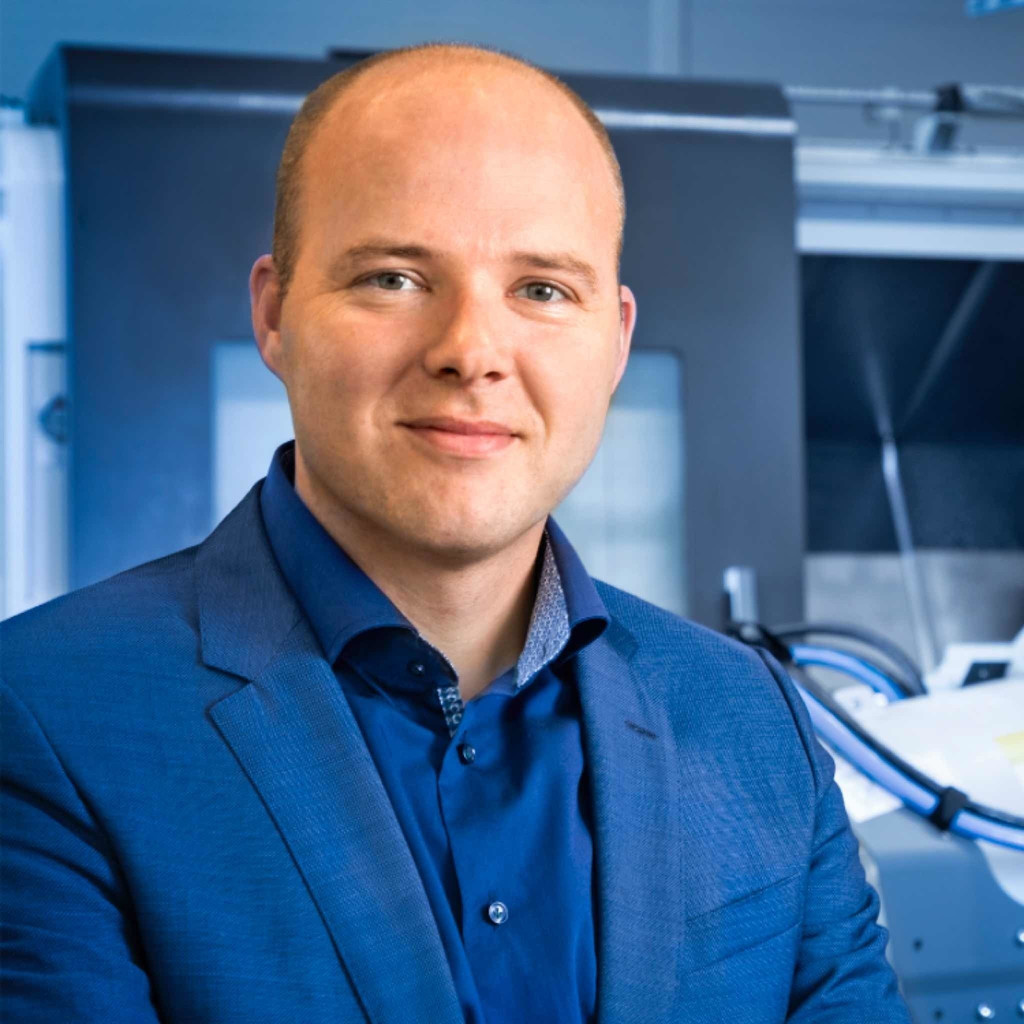
Rob van Oene
managing director
